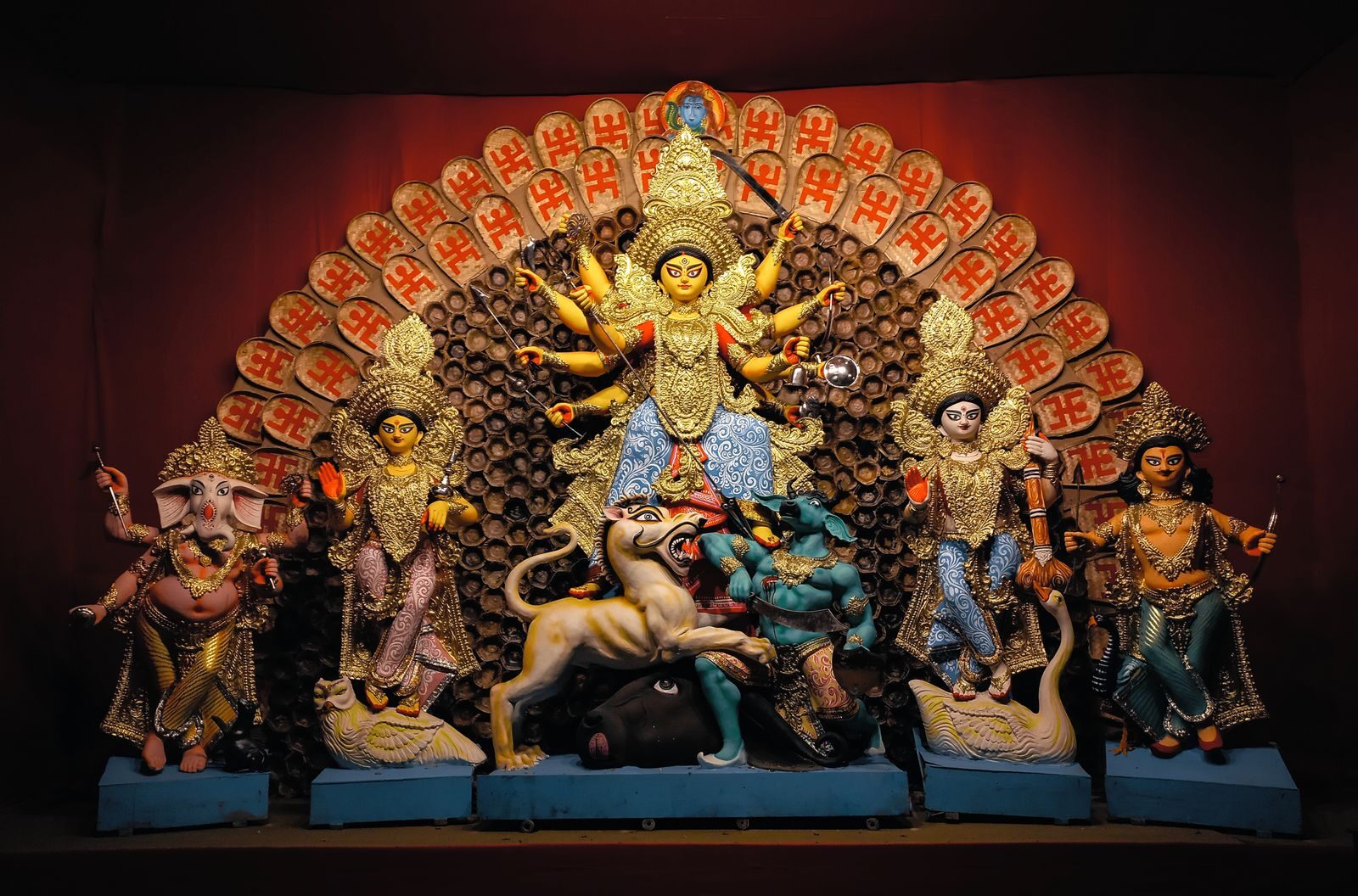
Shardiya Navratri is one of the most important Hindu festivals dedicated to Goddess Durga and her nine divine forms. Celebrated over nine nights, the festival brings devotees together for prayers, fasting, temple visits, devotional songs, Garba, and Dandiya. It is a time when people worship Maa Durga and seek her blessings for happiness, prosperity, strength, and protection.
If you are wondering when is Navratri 2026, Shardiya Navratri begins on Sunday, October 11, 2026, and the festival’s observances continue until Vijayadashami on Tuesday, October 20, 2026. The nine days are dedicated to the nine forms of Goddess Durga, collectively known as Navdurga.
When Is Shardiya Navratri 2026?
Shardiya Navratri 2026 begins on October 11 with Ghatasthapana and Maa Shailputri Puja. The festival concludes with Vijayadashami, also known as Dussehra, on October 20.
According to the Hindu lunar calendar, Shardiya Navratri begins on the Pratipada Tithi of the Shukla Paksha in the month of Ashwin. The dates of religious observances are determined according to the Hindu Panchang.
| Event | Date in 2026 |
|---|---|
| Ghatasthapana and Day 1 | Sunday, October 11 |
| Day 2 | Monday, October 12 |
| Day 3 | Tuesday, October 13 |
| Day 4 | Wednesday, October 14 |
| Day 5 | Thursday, October 15 |
| Day 6 | Friday, October 16 |
| Day 7 | Saturday, October 17 |
| Durga Ashtami | Sunday, October 18 |
| Maha Navami | Monday, October 19 |
| Vijayadashami (Dussehra) | Tuesday, October 20 |
Note: Navami and Ashtami observances can vary by regional Panchang and local religious traditions. Check the local calendar for the exact tithi and puja timings.
Shardiya Navratri 2026: Nine Colours and Nine Goddesses
Wearing a different colour on each day of Navratri is a popular tradition, especially in Maharashtra and Gujarat. Each day is associated with a form of Maa Durga, and devotees often choose their clothing and puja decorations according to the day’s colour.
Here is the day-wise Navratri colour list for 2026.
| Day and Date | Goddess | Navratri Colour |
|---|---|---|
| Day 1, October 11 | Maa Shailputri | Orange |
| Day 2, October 12 | Maa Brahmacharini | White |
| Day 3, October 13 | Maa Chandraghanta | Red |
| Day 4, October 14 | Maa Kushmanda | Royal Blue |
| Day 5, October 15 | Maa Skandamata | Yellow |
| Day 6, October 16 | Maa Katyayani | Green |
| Day 7, October 17 | Maa Kalaratri | Grey |
| Day 8, October 18 | Maa Mahagauri | Purple |
| Day 9, October 19 | Maa Siddhidatri | Peacock Green |
These colours follow a commonly used Navratri calendar for 2026. Colour traditions may differ across regions and families.
Nine Forms of Goddess Durga Worshipped During Navratri
Each day of Shardiya Navratri is dedicated to a particular form of Goddess Durga. Devotees worship these forms to honour the different qualities and powers of the Divine Mother.
Day 1: Maa Shailputri
Maa Shailputri is worshipped on the first day of Navratri. She is considered the daughter of the mountains and is associated with strength, purity, and devotion. Ghatasthapana is performed on this day to mark the beginning of the festival.
Day 2: Maa Brahmacharini
Maa Brahmacharini represents devotion, patience, penance, and determination. Devotees worship her to seek inner strength and the ability to remain committed to their goals.
Day 3: Maa Chandraghanta
Maa Chandraghanta is associated with courage, bravery, and protection. Her worship is believed to inspire devotees to face challenges with confidence.
Day 4: Maa Kushmanda
Maa Kushmanda is traditionally associated with the creation of the universe and the energy that sustains life. Devotees worship her for vitality, happiness, and prosperity.
Day 5: Maa Skandamata
Maa Skandamata is the mother of Lord Kartikeya, also known as Skanda. She represents motherhood, compassion, and protective love.
Day 6: Maa Katyayani
Maa Katyayani is associated with courage, strength, and the destruction of negative forces. Devotees worship her for protection and the removal of obstacles.
Day 7: Maa Kalaratri
Maa Kalaratri is a fierce form of Goddess Durga associated with protection from darkness and negative energies. Her worship represents the triumph of divine power over fear.
Day 8: Maa Mahagauri
Maa Mahagauri symbolises purity, peace, and compassion. Devotees seek her blessings for happiness, harmony, and spiritual growth.
Day 9: Maa Siddhidatri
Maa Siddhidatri is worshipped on the ninth day of Navratri. She is associated with spiritual wisdom, divine blessings, and the attainment of siddhis, or spiritual accomplishments.
Shardiya Navratri Rituals and Puja Vidhi
Devotees follow different customs during Navratri depending on their family traditions and regional practices. The following rituals are commonly observed during the festival.
1. Ghatasthapana
Ghatasthapana, also called Kalash Sthapana, marks the beginning of Navratri. A kalash is established in the puja area, and Goddess Durga is invoked through prayers and traditional rituals.
The kalash is generally prepared using water, sacred leaves, and other customary puja items. Barley seeds may also be sown in a small vessel as part of the ritual.
2. Daily Durga Puja
Devotees worship Maa Durga every morning and evening during the nine days. The puja may include flowers, incense, a diya, fruits, sweets, mantras, and Durga Aarti.
Many families also recite Durga Chalisa, Durga Saptashati, or other devotional texts during Navratri.
3. Navratri Fasting
Fasting is a significant part of Navratri for many devotees. Some observe a fast throughout the nine days, while others fast on selected days, such as the first and final days.
Common fasting foods include fruits, milk, sabudana, kuttu flour, singhare ka atta, and sendha namak, depending on individual customs. Fasting practices vary from one household to another.
4. Akhand Jyot
Some devotees light an Akhand Jyot, a continuously burning sacred lamp, during Navratri. It is maintained throughout the designated period according to family or temple traditions, with appropriate care and supervision.
5. Kanya Pujan
Kanya Pujan, also known as Kanjak Puja, is commonly performed on Ashtami or Navami. Young girls are worshipped as manifestations of the Divine Feminine. Devotees traditionally offer food, gifts, and blessings as part of this ritual.
6. Garba and Dandiya
Garba and Dandiya are popular Navratri celebrations, especially in Gujarat and Maharashtra. Devotees gather in colourful traditional outfits to dance, sing devotional songs, and celebrate the festival in honour of Maa Durga.
Durga Ashtami and Maha Navami 2026
Durga Ashtami and Maha Navami are among the most significant days of Shardiya Navratri.
Durga Ashtami falls on October 18, 2026, and is associated with the worship of Maa Mahagauri. Many devotees perform special puja, offer bhog, and observe Kanya Pujan on this day.
Maha Navami falls on October 19, 2026, and is dedicated to Maa Siddhidatri in the nine-day sequence. Special prayers, havan, and Kanya Pujan are performed by devotees according to their traditions.
The exact timing of these rituals depends on the local Panchang and the tithi followed by the family or temple.
Vijayadashami 2026: Date and Significance
Vijayadashami, popularly known as Dussehra, falls on Tuesday, October 20, 2026. It marks the conclusion of the Navratri festival and symbolises the victory of good over evil.
In many parts of India, Dussehra commemorates Lord Rama’s victory over Ravana. In traditions associated with Goddess Durga, it celebrates her victory over Mahishasura. People also perform Ayudha Puja in several regions, worshipping tools, instruments, books, and other objects connected with their work.
Vijayadashami is considered an auspicious occasion for new beginnings, learning, and important undertakings.
How to Celebrate Navratri at Home
You can celebrate Shardiya Navratri at home by setting up a clean puja space, worshipping Maa Durga daily, and following your family traditions.
- Clean the puja area before Ghatasthapana.
- Arrange the kalash and puja samagri in advance.
- Offer fresh flowers, fruits, and traditional bhog.
- Recite Durga mantras or perform daily Aarti.
- Follow your preferred fasting routine.
- Wear the colour associated with each day if you wish.
- Perform Kanya Pujan on Ashtami or Navami according to your tradition.
- Conclude the festival with prayers on Vijayadashami.
This is a very good time to perform remedies and get your desired results,
To book puja online, on call or video call, contact Pandit Narayan Sharma ji.
Acharya Narayan Sharma ji is the best Pandit in Delhi NCR and one of the most famous astrologers in India with clients from all across the world. Pandit ji is available to come to perform puja in Delhi, Noida, Gurgaon, Faridabad, Ghaziabad & Udaipur or he can also perform online puja on call or video call. Connect with him today. His remedies are easy and very effective. Click on the WhatsApp button to talk to him today!
best pandit in delhi, best astrologer in india, best pandit in delhi, best astrologer in delhi ncr
best pandit in delhi, best pandit in delhi ncr, book pandit online, Book Pandit Online, Pandit for Puja, Hire Pandit for Home Puja, Experienced Vedic Pandit, Online Pandit Booking, Same Day Pandit Booking, Pandit with Pooja Samagri, North Indian Pandit for Puja, Brahman pandit in south delhi