
The holy month of Shravan, also known as Sawan, is one of the most auspicious months in Hinduism. Dedicated to Lord Shiva, this sacred period is observed with fasting, prayers, temple visits, and spiritual practices by millions of devotees across India and around the world.
Many people wonder, “What are the rules for the month of Shravan?” While traditions may vary by region and family, the essence of Shravan is living with devotion, purity, and self-discipline. The goal is not just to perform rituals but to cultivate a calm mind, compassionate heart, and deeper connection with Lord Shiva.
Here are the most commonly followed rules during the month of Shravan.
1. Wake Up Early
Devotees usually begin their day before sunrise. After taking a bath, they offer prayers to Lord Shiva and prepare for their daily worship. Starting the day early is believed to bring mental clarity and spiritual discipline.
2. Offer Jal to the Shivling
One of the most important rituals during Shravan is offering water or Gangajal to the Shivling. Many devotees also perform Abhishek with milk, honey, curd, sugar, and ghee as part of the traditional Panchamrit ritual.
3. Offer Bel Patra
Bel leaves are considered extremely dear to Lord Shiva. Fresh Bel Patra, white flowers, Dhatura, and Bhasma are among the common offerings made during Shravan.
4. Observe Shravan Monday Fast
Mondays, known as Shravan Somvar, are especially sacred. Many devotees observe a fast, consume only fruits or satvik food, and spend extra time in prayer and meditation.
If you have health concerns, are pregnant, elderly, or are taking medication, choose a fasting method that is appropriate for you after consulting your doctor.
5. Eat Satvik Food
During Shravan, many devotees follow a simple vegetarian diet.
Commonly followed practices include:
- Avoid meat, fish, and eggs.
- Avoid alcohol and tobacco.
- Eat fresh, home-cooked meals.
- Many families also avoid onion and garlic as part of their satvik diet.
The focus is on purity and moderation rather than restriction.
6. Chant Shiva Mantras
Daily chanting is considered one of the most powerful practices during Shravan.
Popular mantras include:
- Om Namah Shivaya
- Maha Mrityunjaya Mantra
- Shiva Panchakshari Mantra
- Shiva Chalisa
- Rudrashtakam
Even chanting for a few minutes every day can help create a sense of peace and mindfulness.
7. Visit a Shiva Temple
Many devotees visit Shiva temples throughout Shravan, especially on Mondays and during Shravan Shivratri. Participating in Aarti or Rudrabhishek can make the experience even more meaningful.
8. Practice Self-Control
Shravan is a month of spiritual discipline.
Try to:
- Speak politely.
- Avoid unnecessary arguments.
- Stay away from gossip.
- Control anger.
- Practice patience.
- Spend less time on distractions and more time in prayer or self-reflection.
9. Read Sacred Texts
Reading spiritual literature is encouraged during Shravan.
You may read:
- Shiva Purana
- Shiva Chalisa
- Lingashtakam
- Maha Mrityunjaya Mantra
- Stories of Lord Shiva and Goddess Parvati
10. Help Others
Acts of kindness are considered an important part of Shravan.
Consider:
- Feeding the needy.
- Donating clothes or food.
- Helping elderly people.
- Feeding cows, birds, or other animals.
- Supporting someone in need.
Compassion is regarded as a form of worship.
Things to Avoid During Shravan
Many devotees observe these practices during the holy month:
- Avoid non-vegetarian food.
- Avoid alcohol, smoking, and intoxicants.
- Avoid speaking harshly.
- Avoid lying or cheating.
- Avoid unnecessary anger.
- Avoid wasting food or water.
- Avoid disrespecting religious traditions.
- Avoid harming animals or other living beings.
These practices are meant to encourage mindfulness and self-discipline rather than fear or superstition.
Can Everyone Follow Shravan Rules?
Yes. Shravan is open to everyone, regardless of age or experience with religious practices. You do not have to observe every ritual perfectly. If you cannot fast, you can still pray, chant Shiva mantras, visit a temple, meditate, or perform acts of kindness.
Lord Shiva is often described as the most compassionate deity who values sincere devotion over elaborate rituals.
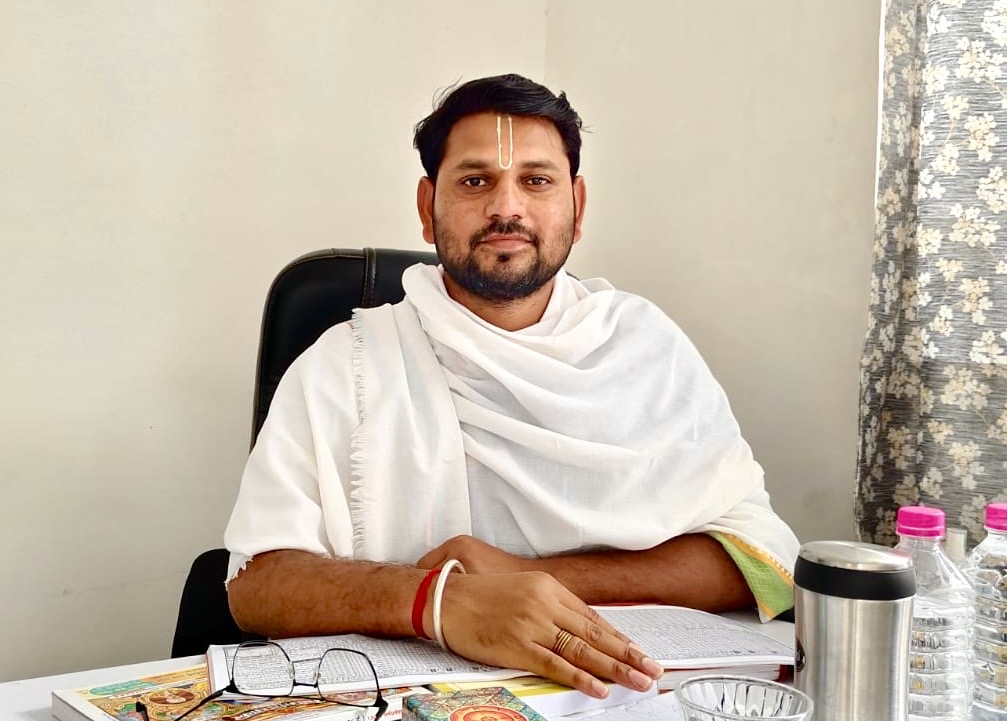
Book Your Shravan Puja with Acharya Narayan Sharma
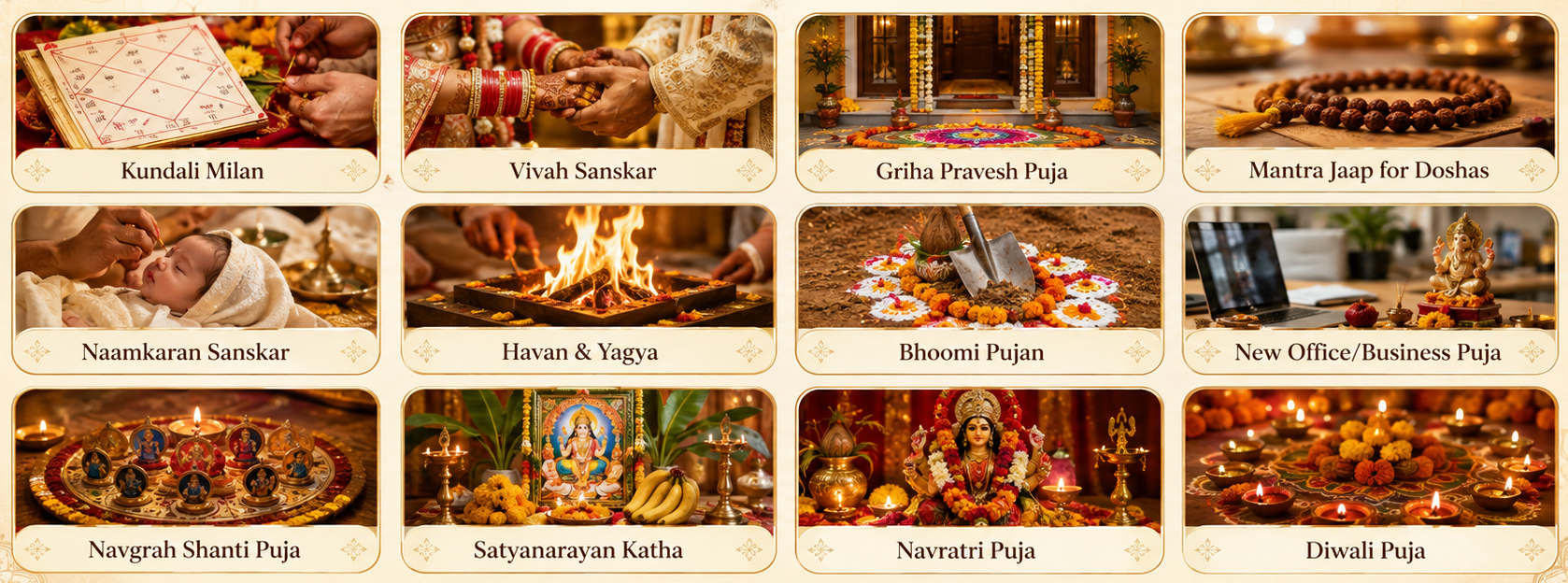
If you would like to perform a traditional Shravan Puja, Rudrabhishek, Maha Mrityunjaya Jaap, or another Shiva ritual, you can book a personalized puja with Acharya Narayan Sharma. Conducted according to authentic Vedic traditions, these ceremonies are ideal for seeking Lord Shiva’s blessings for health, peace, prosperity, marriage, career, and spiritual growth during the sacred month of Shravan.
The true rules of Shravan go beyond rituals. They encourage us to live with devotion, simplicity, compassion, and self-control. Whether you observe a fast, chant “Om Namah Shivaya,” visit a Shiva temple, or simply spend a few quiet moments in prayer each day, every sincere act of devotion brings you closer to Lord Shiva.
May Mahadev bless you with strength, wisdom, happiness, and inner peace throughout the sacred month of Shravan.
Har Har Mahadev!
Best pandit in delhi, best astrologer in delhi ncr, book pandit for rudrabhishek in delhi
best pandit in delhi, best pandit in delhi ncr, book pandit online, Book Pandit Online, Pandit for Puja, Hire Pandit for Home Puja, Experienced Vedic Pandit, Online Pandit Booking, Same Day Pandit Booking, Pandit with Pooja Samagri, North Indian Pandit for Puja, Brahman pandit in south delhi